

 By
By Grout stains are stubborn, but you don’t need a miracle product to tackle them. The key is matching your cleaning method to how dirty your grout really is, then sticking with it.
Here’s what works: light grout discoloration responds to basic dish soap, moderate stains need a baking soda and peroxide paste, and heavy buildup calls for stronger solutions like diluted muriatic acid or professional steam cleaning. Let’s walk through each method so you can pick the right one for your tile floors.
Related: Best Tile and Grout Cleaning Services in Tampa, Florida
Related: How to Clean Carpet: DIY Steps & When to Call Pros
Related: How to Clean a Rug: DIY Steps & When to Call a Pro
Light Grout Cleaning: Start Simple
If your grout just looks a little dingy but isn’t actually stained, grab a bucket and some dish soap. Mix a few drops of dish soap into warm water, then scrub the grout lines with a stiff-bristled brush or an old toothbrush.
Work in small sections, apply gentle pressure, and rinse with clean water as you go. This takes about 15 minutes for a small bathroom and works best on grout that hasn’t built up years of dirt.
Medium Buildup: Baking Soda and Peroxide Paste
For grout that’s noticeably stained but not completely black, try a homemade paste. Mix baking soda with hydrogen peroxide until you get a thick consistency that sticks to your grout lines without running down the tile.
Apply the paste directly into the grout seams and let it sit for 5 to 10 minutes. The fizzing action helps break down the stain. Scrub with a brush, then rinse thoroughly with water. You may need to repeat this a few times for stubborn spots.
This method is safe, non-toxic, and effective for moderate discoloration without harsh fumes. If you’re dealing with mold or mildew, this approach also helps address those issues naturally.
Heavy Stains: Using Bleach-Based or Muriatic Acid Solutions
When grout is dark and deeply stained, a stronger cleaner becomes necessary. Some people use diluted bleach cleaners, but muriatic acid is significantly more powerful and works faster on mineral deposits and heavy buildup.
If you choose muriatic acid, mix 1 part muriatic acid with 10 parts water. This is a caustic solution, so safety matters: wear rubber gloves, eye protection, and ensure good ventilation. Apply the mixture slowly with a mop or brush, working in small areas so the acid doesn’t dry out.
Let it sit briefly (30 seconds to 1 minute), then scrub and rinse immediately with plenty of water. Muriatic acid is fast but requires careful handling and cleanup.
Steam Cleaning Your Grout
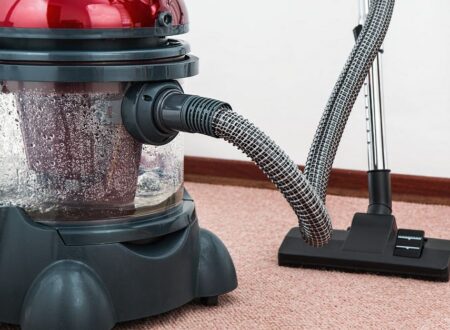
A steam cleaner with a brush attachment is one of the most effective ways to clean grout without chemicals. Hot steam loosens dirt and stains while the brush scrubs them away. Use demineralized water in the steam cleaner to prevent mineral deposits from forming on your tile.
Steam cleaning works well for moderate to heavy stains and is especially good if you prefer avoiding acids or bleach. The downside is that you need access to a steam cleaner, and DIY machines may not get as hot as professional equipment.
If you’re renting a machine or don’t want to tackle this yourself, True Price Carpet Cleaning handles tile and grout cleaning with professional-grade equipment that delivers results faster and more thoroughly than most homeowner rentals.
Need a cleaning right away?
Protecting Your Grout After Cleaning
Once your grout is clean, you might wonder whether to seal it. Grout sealer does offer protection, but it requires resealing every few years, which means more maintenance and expense down the line.
Many people skip sealing and just maintain regular cleaning instead.
Safety Tips When Cleaning Grout
Always wear rubber gloves when using any chemical cleaner, even mild ones. If you’re using muriatic acid or bleach-based solutions, also wear eye protection and work in a well-ventilated area.
Never mix bleach with other cleaners, especially ammonia-based products, because the combination creates toxic fumes. Read product labels carefully and follow mixing instructions exactly.
Test any cleaner on an inconspicuous area of grout first to make sure it doesn’t discolor your tile or damage the grout itself.
When DIY Isn’t Enough
If you’ve tried these methods and your grout still looks grimy, or if you have extensive staining across large tile areas, professional cleaning is worth considering. Professional cleaners use industrial-strength equipment and solutions designed specifically for deep grout cleaning, and they can tackle the job much faster than you can with rental equipment.
True Price Carpet Cleaning is a family-owned business serving the Tampa Bay area, including St. Pete, New Port Richey, Wesley Chapel, and Apollo Beach. Our certified professional cleaners specialize in tile and grout cleaning, and we stand behind our work with a 100% satisfaction guarantee. If you’d like a professional assessment and a free quote, reach out to see what we can do for your tile floors.
Quick Recap: Which Method Should You Use?
Pick your method based on how bad the staining is:
- Light dirt: Dish soap and water with a brush.
- Moderate stains: Baking soda and hydrogen peroxide paste.
- Heavy buildup: Diluted muriatic acid or professional steam cleaning.
- Large areas or stubborn stains: Professional tile and grout cleaning.
The good news is that none of these methods require expensive equipment or specialty knowledge. Start with the gentlest approach that fits your staining level, and only move to stronger solutions if needed.
People Also Ask
What’s the fastest way to clean grout?
Professional steam cleaning or muriatic acid solution work fastest because they dissolve stains quickly without much scrubbing. Steam cleaning is safer for beginners and doesn’t involve harsh chemicals. If you go the muriatic acid route, the job moves quickly but requires careful handling.
Can you use vinegar to clean grout?
Vinegar is mildly acidic and can help with light buildup, but it’s not strong enough for moderate or heavy stains. It works better as a maintenance cleaner after you’ve already deep-cleaned your grout with a stronger method. Mix equal parts white vinegar and water in a spray bottle for a gentle weekly refresh.
Is baking soda safe to use on all grout types?
Yes, baking soda is gentle enough for all grout types, including colored grout. It won’t bleach or damage the grout the way stronger chemicals sometimes can. This makes it a great first choice if you’re worried about harming your tile.
How often should you clean grout?
Light maintenance cleaning every 2 to 4 weeks keeps grout looking fresh and prevents heavy buildup. A quick scrub with mild soap and water takes just a few minutes. Deep cleaning with baking soda paste or professional methods works well 1 to 2 times per year, depending on foot traffic and humidity in that area of your home.
Need a cleaning right away?






3 Comments
Comments are closed.