

 By
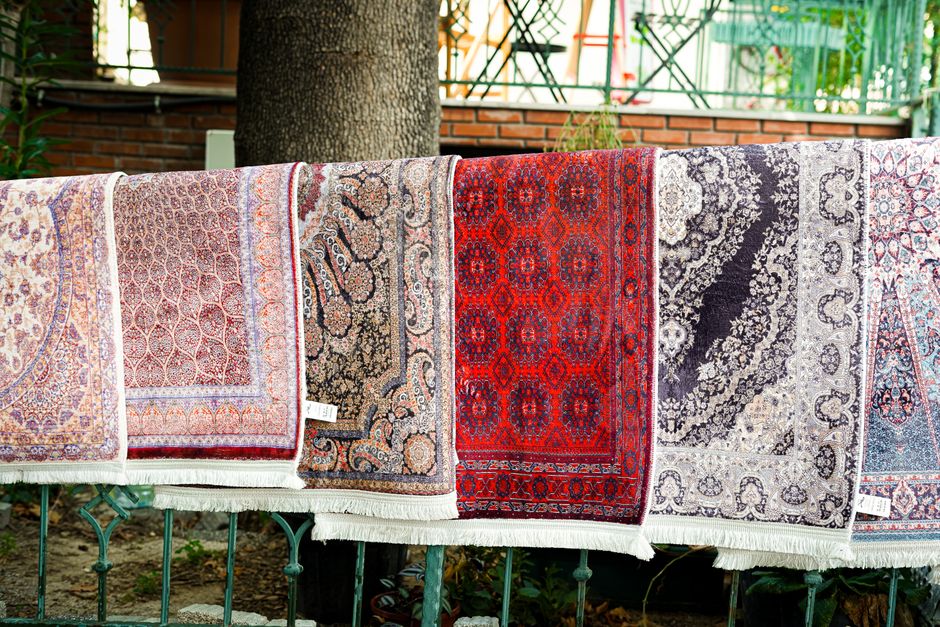
Oriental rugs are beautiful, valuable pieces that deserve special care. Unlike regular carpet cleaning, oriental rug cleaning requires a different approach because these rugs are often made from delicate fibers and hand-knotted with intricate patterns that can be damaged by harsh chemicals or aggressive scrubbing.
If you own an oriental rug, understanding the basics of care and knowing when to bring in a professional will help you keep it looking great for decades.
What Makes Oriental Rug Cleaning Different
Oriental rugs aren’t like wall-to-wall carpet. They’re typically made from wool, silk, or a blend of natural fibers, and they’re constructed by hand using traditional knotting techniques. This means they need gentler handling.
Standard carpet cleaning methods can strip the dyes, damage the fibers, or cause the backing to deteriorate. Water temperature, cleaning solutions, and scrubbing intensity all have to be dialed in just right. That’s why your oriental rug deserves more than a standard carpet cleaning approach.
Professional oriental rug cleaning involves specialized knowledge about fiber types, dye stability, and the specific construction of your rug. A cleaner who understands these details will preserve the rug’s color, texture, and structural integrity.
When to Clean Your Oriental Rug
You should have your oriental rug professionally cleaned every 2-3 years if it’s in a high-traffic area, or every 3-5 years if it’s in a bedroom or less-used space. Of course, if you spill something on it or notice visible dirt, don’t wait.
Regular vacuuming with a low-pile or hand-held vacuum (never a beater bar) helps keep dust and debris from settling into the fibers. But vacuuming alone won’t remove deep dirt or restore the rug’s appearance over time.
The Professional Oriental Rug Cleaning Process
A certified professional cleaner will start by inspecting your rug for damage, dye bleeding, stains, and fiber type. This inspection tells them exactly how to proceed safely.
The cleaning typically involves these steps:
- Pre-inspection: Check for loose knots, tears, or weak spots that could worsen during cleaning.
- Dry cleaning or light vacuuming: Remove surface dust and loose debris.
- Spot treatment: Address stains with gentle, appropriate solutions.
- Wet cleaning: Use lukewarm water and pH-balanced solutions designed for fine rugs, often applied by hand.
- Rinsing: Thorough rinsing to remove all soap residue.
- Drying: Controlled drying to prevent mold, mildew, and fiber damage.
If your rug has damage like fraying edges or small holes, many professional cleaners also offer repair services. It’s worth asking about when you schedule your cleaning.
What You Can Do at Home

Between professional cleanings, a few simple habits protect your oriental rug.
Vacuum regularly: Use a low-suction hand vacuum or turn off the beater bar on an upright if your rug is thin or delicate. Vacuum both sides every month or so to remove dust that works its way deep into the pile.
Rotate the rug: Every 6-12 months, rotate your rug 180 degrees. This helps it wear evenly and fade uniformly if it’s in sunlight.
Protect from sunlight: Direct sunlight will fade the dyes over time. Use window treatments or rotate the rug more often if it’s near a window.
Use a rug pad: A non-slip pad underneath prevents bunching, protects your floor, and extends the rug’s life.
Spot clean spills quickly: Blot (don’t rub) spills immediately with a clean white cloth. For small stains, use cool water or a mild mixture of water and a tiny drop of dish soap, but test it on a hidden corner first.
Avoid DIY deep cleaning: Store-bought solutions can damage oriental rugs. It’s tempting to try a home carpet cleaning machine, but the risk isn’t worth it on a valuable piece.
Related: All Seasons Carpet Cleaning: Year-Round Care for Your Carpets
Related: How to Prepare for Carpet Cleaning: 7 Easy Steps
Related: Wool Rug Cleaning: Step-by-Step Guide for Home Care
When to Call a Professional
You definitely need a pro if your rug has:
Related: Professional Rug Cleaning: What You Need to Know
- Stubborn stains you can’t remove by blotting
- Pet accidents or odors
- Signs of mold or mildew
- Fraying edges or loose knots
- Visible wear or damage to the backing
- Heavy soiling from foot traffic
Even if your rug looks okay, professional cleaning every few years is a smart investment. It refreshes the fibers, removes embedded dirt, and helps prevent premature wear.
If you’re in the Tampa Bay area and need professional help with your oriental rug, True Price Carpet Cleaning specializes in area rug cleaning with the care and attention your fine rug deserves.
Need a cleaning right away?
Choosing a Professional Cleaner for Your Oriental Rug
Not all carpet cleaners are equipped to handle oriental rugs. Look for a cleaner who has specific experience with hand-knotted and fine rugs.
Ask these questions when you contact a cleaner:
- Do you have experience cleaning oriental rugs specifically?
- How do you inspect rugs for damage before cleaning?
- What cleaning method do you use, and why is it safe for fine fibers?
- Do you offer repair services if damage is found?
- Can you handle pet stains or odors?
A cleaner who takes time to answer these questions and explain their process is someone you can trust with your rug. True Price Carpet Cleaning’s certified professional cleaners understand the unique needs of oriental and area rugs and will walk you through what to expect.
Frequently Asked Questions

Can I wash my oriental rug at home?
You can spot-clean small stains by blotting with cool water, but full-rug cleaning at home risks damaging delicate fibers and dyes. Professional cleaning is safer and more effective.
How long does it take to clean an oriental rug?
The process depends on the rug’s size, condition, and fiber type. A typical oriental rug cleaning takes a few hours of active work, plus drying time, which can be 24-48 hours or longer depending on humidity and ventilation.
Will professional cleaning fade my rug’s colors?
A professional cleaner trained in oriental rug care will test for dye bleeding and use methods that preserve color. Home cleaning or inexperienced cleaners are far more likely to cause fading or color loss.
What’s the difference between oriental and Persian rugs?
Persian rugs are a type of oriental rug, made in Iran (Persia). All Persian rugs are oriental rugs, but not all oriental rugs are Persian. They both benefit from the same professional cleaning approach.
Need a cleaning right away?




2 Comments
Comments are closed.