
 By
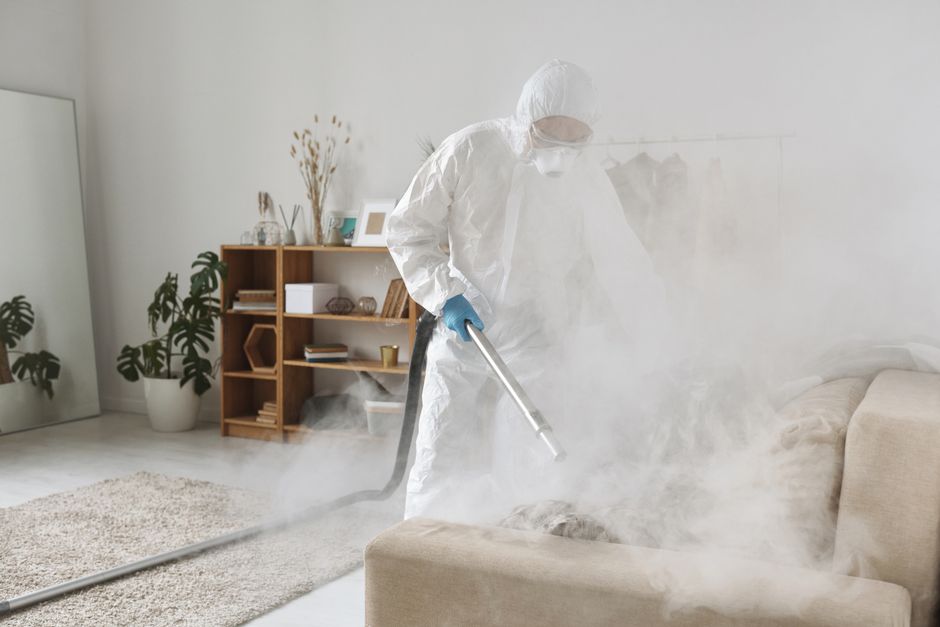
By A steam cleaner for your couch is one of the best ways to deep clean upholstery without harsh chemicals. Steam kills 99.9% of bacteria, tackles stubborn stains, and gets rid of odors that regular vacuuming can’t touch. If you have pets, kids, or just want to refresh your furniture, this is a game-changer.
The thing is, not all couches are created equal, and neither are all steam cleaners. So let’s walk through what you need to know before you start blasting your sofa with hot steam.
Why Steam Clean Your Couch?
Your couch is basically a bacteria magnet. People sit on it, pets jump on it, kids spill juice on it. Over time, your upholstery becomes a home for dust mites, pet dander, and all kinds of nasty stuff that regular vacuuming doesn’t reach.
Steam cleaning penetrates the fabric fibers and uses heat to kill pathogens without needing bleach or toxic cleaners. It’s especially useful for pet accidents (like dog urine), food stains, and general grime buildup. Plus, your couch will smell fresh again instead of like your dog’s favorite napping spot.
If you’re dealing with serious buildup or stubborn stains, True Price Carpet Cleaning offers professional upholstery cleaning that goes deeper than most home machines. But if you want to handle it yourself, keep reading.
Related: Carpet and Rug Cleaner Guide: Professional vs. DIY
Related: Affordable Upholstery Cleaning Tampa: What to Expect
Related: Best Carpet Cleaners in Tampa: 2026 Guide
Before You Steam: Preparation is Everything
Jumping straight into steam cleaning is a mistake. You need to prep your couch first, or you risk spreading stains and damaging fabric.
Related: How to Steam Clean Area Rugs: A Homeowner’s Guide
Step 1: Vacuum Thoroughly
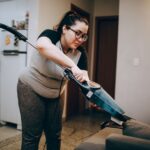
Start by vacuuming every inch of your couch. Use the upholstery attachment and get into the crevices, under the cushions, and between the back and seat. This removes loose dust, crumbs, and pet hair that can turn into mud when you add steam and water.
Step 2: Do a Spot Test for Colorfastness
Before you go full steam, test a hidden area of your couch. Use a small amount of steam on an inconspicuous spot (like the back corner or underside of a cushion) to make sure the colors don’t bleed or the fabric doesn’t shrink.
Some fabrics are delicate. Velvet, silk, and certain synthetic blends can be damaged by high heat. If you see color change or the fabric feels off, your couch is not a good candidate for steam cleaning. Stop here and call a professional.
Step 3: Pre-Treat Problem Stains
For old or tough stains, pre-treating helps. Use a couch-safe stain remover or a mixture of equal parts white vinegar and water. Spray it on the stain, let it sit for 10-15 minutes, then blot (don’t rub) with a clean cloth. This gives the steam a fighting chance at lifting the stain completely.
Choosing the Right Steam Cleaner for Upholstery
Not every steam cleaner is built for couches. Whole-house steam cleaners are bulky and often too powerful. You want something compact, portable, and designed with upholstery in mind.
Related: What Does a Carpet Cleaner Do? A Complete Guide
Related: Dry Carpet Cleaning Service: Fast & Easy Guide
Related: Wool Rug Cleaning: Step-by-Step Guide for Home Care
Related: How to Clean Vomit from Carpet: Step-by-Step Guide
Look for these features:
- Compact size: You need to maneuver it around cushions and armrests without killing your back.
- Adjustable heat settings: Delicate fabrics need lower heat. Higher heat works better for heavily soiled couches.
- Upholstery attachments: A specialized nozzle or brush designed for furniture makes a huge difference.
- Quick heat-up time: Nobody wants to wait 20 minutes for the machine to warm up.
- Tank capacity: Larger tanks mean fewer refills, which saves time and frustration.
Brands like Bissell, Shark, and Dupray are popular choices for couch cleaning. Some people swear by compact handheld options for smaller jobs, while others prefer upright steamers that cover more ground faster.
Need a cleaning right away?
How to Steam Clean Your Couch: The Process
Step 1: Fill the Tank and Heat Up
Fill your steam cleaner with distilled water (tap water can leave mineral deposits). Let it heat according to the manufacturer’s instructions, usually 30 seconds to 2 minutes.
Step 2: Start with the Least Visible Areas
Don’t start with the front cushions where everyone can see it. Begin on the back of the couch or the sides to get a feel for how the machine works and how the fabric responds.
Step 3: Work in Sections
Work methodically from top to bottom. Apply steam to a small section (about 12 inches square), let it penetrate for a few seconds, then pull the trigger to release steam and suction. Move to the next section and overlap slightly so you don’t miss spots.
Step 4: Don’t Oversaturate
This is crucial. You want the fabric damp, not soaking wet. Too much moisture can damage cushion foam or encourage mold growth inside the cushions. Use short bursts of steam rather than long continuous ones.
Step 5: Let It Dry
Once you’re done, open windows and let your couch air dry. You can speed this up with a fan or by turning on the AC. Drying usually takes a few hours to a full day depending on humidity and how much water you used.
Common Mistakes to Avoid
People mess this up more often than you’d think. Here are the big ones:
- Using tap water: Minerals build up inside the machine and on your fabric.
- Oversaturating the couch: This can damage the foam, create mold, and make drying take forever.
- Skipping the vacuum step: Dirt turns into paste when wet. Always vacuum first.
- Using chemical cleaners with steam: Some products create toxic fumes when heated. Stick to water or approved solutions.
- Cleaning every cushion in one day: Your couch needs time to dry between sessions.
When to Call a Professional Instead
Steam cleaning your couch yourself can work great for regular maintenance and light stains. But some situations call for professional help.
If your couch has:
- Deep, set-in stains that won’t come out
- Pet accidents (especially urine) that smell terrible
- Delicate or high-end fabric that you’re nervous about ruining
- Extensive coverage (like a large sectional that needs a deep clean)
Then it’s worth calling someone who knows what they’re doing. True Price Carpet Cleaning specializes in professional upholstery cleaning and can handle tough jobs that home machines struggle with. They have industrial-grade equipment and the experience to know exactly how to treat different fabrics without damage.
The Real Bottom Line
A steam cleaner for your couch is a solid investment if you plan to use it regularly on multiple pieces of furniture. For a one-time deep clean or if you just want peace of mind knowing the job is done right, professional cleaning might be the better call.
Either way, your couch will thank you. Clean upholstery extends the life of your furniture, keeps your home healthier (especially if you have kids or pets), and makes everything look and smell better. That’s a win across the board.
Frequently Asked Questions
Can you use a regular carpet steam cleaner on a couch?
Technically yes, but it’s not ideal. Carpet steamers are bigger and bulkier, making them hard to control on vertical furniture. They also tend to be more powerful, which can oversaturate upholstery. A compact, upholstery-focused steam cleaner gives you much better control and results.
How often should you steam clean your couch?
For a household with pets or young kids, every 3-6 months is reasonable. For lighter use with no pets, once or twice a year is fine. Light vacuuming between deep cleans keeps things fresher longer.
Will steam cleaning damage my couch?
Not if you prep it properly and don’t oversaturate. Always do a spot test first, vacuum before you start, and use moderate heat and moisture. If you’re unsure about your fabric, ask the furniture manufacturer or test on a hidden area. Delicate fabrics like silk or velvet might not be suitable for steam cleaning at all.
Does steam cleaning remove pet odors?
Yes, steam does a great job of neutralizing odors, especially from pet accidents. The heat breaks down odor molecules. For really stubborn smells, you may want to pre-treat with an enzymatic cleaner designed for pet urine before steaming. In some cases, professional cleaning with commercial-grade equipment works better, which is where professional upholstery services come in handy.
Need a cleaning right away?



2 Comments
Comments are closed.