

 By
Your couch has a hidden label. On it are letters that look like a secret code. Those letters are upholstery cleaning codes, and they’re telling you exactly how to clean your furniture without ruining it.
If you’ve ever wondered what W, S, WS, X, or D means on your upholstery tag, you’re not alone. These codes matter because using the wrong cleaning method can damage fabric, void warranties, or leave stains that won’t come out. Let’s break down what each code means and how to use them to keep your furniture looking fresh.
Related: Upholstery Steam Cleaner: How to Use One for Your Furniture
Related: Affordable Upholstery Cleaning Tampa: What to Expect
Related: Carpet Cleaning Tampa FL: What You Need to Know
Related: Carpet and Upholstery Cleaning Services: A Complete Guide
Related: Professional Carpet and Upholstery Cleaning Services: A Complete Guide
Related: Area Rug Cleaning Tampa Services: What to Know
Related: Carpet Cleaning in St. Petersburg, FL: What Works Best
What Are Upholstery Cleaning Codes?
Upholstery cleaning codes are letters printed on care tags attached to your furniture. They’re a standardized system that tells you which cleaning agents and methods are safe for that specific fabric. Think of them like instructions for your couch or chair.
Every piece of upholstered furniture should have one of these codes. You’ll usually find the tag tucked under a cushion, on the back of the piece, or sewn along a seam. The code is your guarantee that if you follow it, you won’t accidentally damage your furniture.
Understanding Each Upholstery Cleaning Code
There are five standard upholstery cleaning codes. Each one means something different, and it’s important to know which one applies to your furniture.
W Code: Water-Based Cleaners Only
The W code means you can use water-based cleaning agents on your upholstery. This is the most common code you’ll see on modern furniture.
Water-based cleaners are gentle and work well for everyday spills and stains. They’re also the easiest to use at home because you can make them yourself with water and a tiny bit of dish soap, or you can buy commercial water-based upholstery cleaners.
When you use a W-coded fabric, avoid solvent-based products. Stick to water, mild soap solutions, or products labeled as safe for water cleaning.
S Code: Solvent-Based Cleaners Only
The S code means only solvent-based cleaning agents should touch that fabric. Water is not your friend here. Using water on an S-coded piece can cause stains, shrinkage, or color bleeding.
Solvent-based cleaners are chemical solutions designed to dissolve oils and tough stains without water. They dry quickly and work well on delicate or natural fabrics that don’t react well to moisture.
This code is less common than W, but if your furniture has it, respect the label. Using the wrong cleaner could permanently damage the fabric.
WS Code: Water or Solvent Cleaners
The WS code gives you options. You can use either water-based or solvent-based cleaning agents on WS-coded upholstery. This flexibility is great because you can choose whichever method works best for the stain you’re dealing with.
A greasy stain might clean up better with a solvent. A juice or wine spill might respond better to water. With WS fabric, you have the freedom to pick your approach.
X Code: Vacuum or Light Brush Only
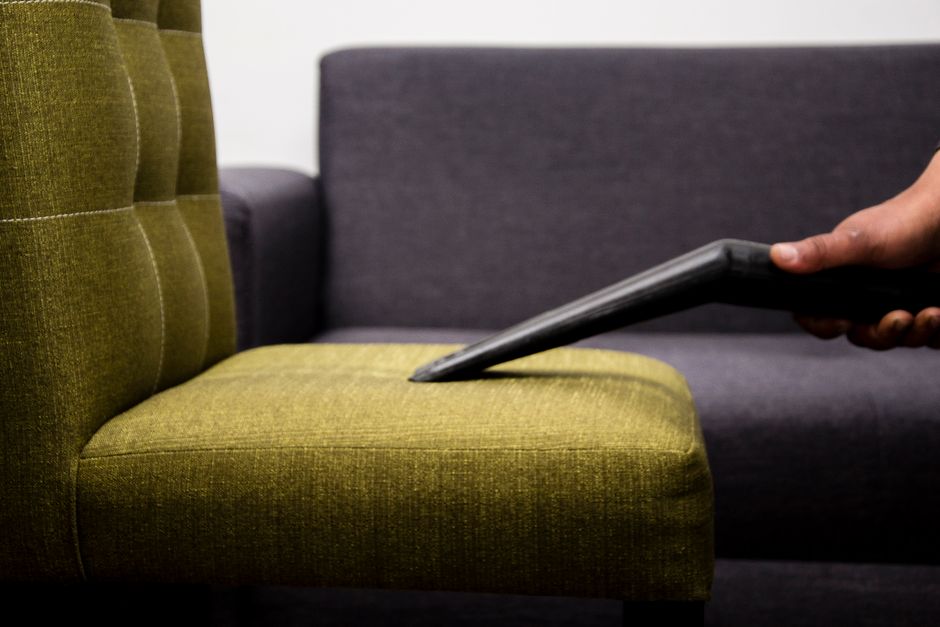
The X code is a big “do not wet” warning. X-coded fabrics should only be cleaned with a vacuum or soft brush. No liquid cleaners of any kind, whether water-based or solvent-based.
These fabrics are usually delicate or made from materials that don’t respond well to moisture. Velvet, certain wools, and some natural fibers often carry an X code. If you spill something on X-coded upholstery, blot it with a dry cloth and don’t add any liquid.
D Code: Dry Cleaning Only
The D code means dry cleaning only. This is typically reserved for high-end or very delicate fabrics that need professional handling. You shouldn’t attempt to clean D-coded upholstery yourself.
Dry cleaning uses specialized equipment and solutions that only professional cleaners have access to. If your furniture has a D code and needs cleaning, call a professional.
How to Find the Cleaning Code on Your Furniture
Before you clean anything, you need to locate the care tag. Check these spots first:
- Under the cushions
- On the back or underside of the furniture
- Sewn into seams or along edges
- Inside armrests or under panels
If you have trouble finding it, look for a small fabric tag or label. It might be tucked away somewhere not immediately visible. Some furniture manufacturers also include care information in the product documentation or paperwork you received when you bought the piece.
Once you find it, take a photo with your phone. That way you’ll have the code handy whenever you need to clean that piece.
Spot Cleaning vs. Full Cleaning

Even if your furniture has a cleaning code, you should know the difference between spot cleaning and deep cleaning.
Spot cleaning is what you do on a stain as soon as it happens. It’s quick, uses less liquid, and is less risky. For most codes, spot cleaning is safe and recommended. Blot the stain with a clean cloth, apply a small amount of the right cleaner, and blot again.
Deep cleaning involves more liquid, scrubbing, and usually requires extraction or drying time. This is where the cleaning code matters most. If your furniture is W or WS coded, you can do a deeper water-based clean. If it’s S coded or has an X code, stick to light spot cleaning or skip it entirely.
For stubborn stains or furniture with a D code, professional cleaning is your best bet. True Price Carpet Cleaning specializes in upholstery cleaning and knows how to handle different fabric types and codes safely.
Need a cleaning right away?
What Happens If You Ignore the Cleaning Code
Using the wrong cleaner on your upholstery can cause real damage. Here’s what might happen:
- Water on an S-coded fabric can cause permanent staining or color changes
- Solvent on a W-coded fabric might leave residue or discoloration
- Any liquid on an X-coded fabric can ruin the material
- Aggressive cleaning on delicate D-coded fabrics can shred or destroy the weave
Ignoring the code might also void your furniture warranty. Manufacturers often exclude damage caused by improper cleaning.
The safest approach is to follow the label. If you’re unsure or dealing with a valuable or delicate piece, professional cleaners know these codes inside and out and can handle your furniture correctly.
DIY Cleaning Tips for Each Code
If you want to handle cleaning yourself, here’s a safe approach for each code:
W Code: Mix a tiny amount of mild dish soap with cool water. Test it on a hidden area first. Use a white cloth, dampen it with the solution, and blot the stain. Don’t oversaturate the fabric.
S Code: This is tricky without commercial solvent cleaners. If you don’t have a solvent product on hand, it’s worth calling a pro rather than risking damage.
WS Code: You have options. Start with the gentler method (water-based) first. If that doesn’t work, try a solvent-based product.
X Code: Vacuum regularly and blot spills with a dry cloth immediately. Don’t add any liquid.
D Code: Leave this to professionals. Don’t experiment.
Always blot, never rub. Rubbing can push the stain deeper into the fabric and damage fibers. Use gentle, pressing motions instead.
When to Call a Professional

Some situations call for professional help. If your furniture is expensive, has a D code, or you’re dealing with a tough stain, it’s worth hiring someone who knows what they’re doing.
Professional cleaners understand fabric types, cleaning codes, and the best techniques for each situation. They also have equipment that safely removes moisture without leaving your upholstery damp or damaged. True Price Carpet Cleaning is family-owned and has been serving the Tampa Bay area with certified professional cleaners who know how to treat upholstery the right way. If you’re unsure about a cleaning method or want expert help, reach out for a free quote.
Common Mistakes to Avoid
Don’t make these cleaning code mistakes:
- Ignoring the code entirely and just using whatever cleaner you have
- Using hot water on fabrics (use cool or lukewarm water instead)
- Oversaturating the fabric with liquid
- Rubbing stains instead of blotting
- Using bleach or harsh chemicals unless the label says it’s safe
- Cleaning before testing on a hidden area first
Take your time with upholstery. It’s an investment, and the right care keeps it looking good for years.
FAQ: Upholstery Cleaning Codes
What if I can’t find the cleaning code on my furniture?
If the tag is missing, check the paperwork that came with your furniture or contact the manufacturer. If neither is an option, assume the most restrictive code (X or D) to be safe. When in doubt, go light on the liquid and test any cleaner on a hidden spot first.
Can I use the same cleaner on all my upholstered furniture?
No. Each piece of furniture might have a different code. Always check the tag before cleaning. Using the wrong cleaner on one piece could damage it, even if that cleaner is safe for another piece.
Is water-based or solvent-based cleaner better?
It depends on the fabric and the type of stain. Water-based cleaners are gentler and work well for most household stains. Solvent-based cleaners are better for oily or greasy stains. The cleaning code tells you which is safe for your specific furniture.
What’s the difference between a cleaning code and a cleaning symbol?
Cleaning codes are letters (W, S, WS, X, D). Cleaning symbols are small pictograms or icons that might also appear on the tag. Both convey the same information, just in different formats. Some tags have both.
Need a cleaning right away?




1 Comment
Comments are closed.